
Asset Integrity Management and
Risk-Based Inspection Services

The Importance of Asset Integrity Management (AIM)
AIM ensures operational safety, minimises unplanned downtime and reduces the risk of failures, making it critical to the long-term success of industrial operations.
AIM involves maintaining the functionality of equipment and infrastructure over its lifecycle with the aim of minimising risk, preventing failure, and ensuring compliance with industry standards and government regulations. Scheduled AIM inspections are essential for ensuring the safety, reliability, and longevity of industrial assets, particularly in the oil and gas, petrochemical, power generation and mining industries.
3PI are New Zealand’s AIM specialists
3PI has a track record of preventing major issues, such as identifying severe corrosion on a wharf line that could have led to an oil spill, which saved our clients from costly repairs and environmental damage.
We provide expert guidance on API codes, WorkSafe, and industry best practices, ensuring optimal solutions for our clients. Safety is our top priority, reflected in our strict Health and Safety policies.
Our AIM inspections cover a wide range of assets and equipment, including:
Pressure Vessels and Boilers
Pipelines and Piping Systems
Storage Tanks
Offshore Platforms
Refineries and Petrochemical Plants
Structural Components
Welding inspection
-
Initial Condition Assessment: A comprehensive review of equipment and facilities to understand their current condition and identify potential integrity risks.
Fitness-for-Service (FFS) Evaluations: Engineering analysis to determine if an asset is fit to continue operating safely under specific conditions. This includes assessments based on factors like corrosion, cracking, mechanical stress, welding and deformation.
Periodic Integrity Audits: Regular inspections to ensure that all assets meet safety standards and that previous recommendations have been implemented.
-
Ultrasonic Testing (UT): Measures material thickness and detects flaws or cracks inside structures.
Magnetic Particle Testing (MPT): Identifies surface and slightly subsurface discontinuities in ferromagnetic materials.
Radiographic Testing (RT): Uses X-rays or gamma rays to examine the internal structure of welded components, pressure vessels and pipelines.
Eddy Current Testing (ECT): Detects surface and subsurface cracks in conductive materials, typically used for heat exchanger tubes and piping.
Thermography: Uses infrared imaging to detect temperature differences, which may indicate electrical faults, insulation breakdown or process leaks.
-
Corrosion Rate Monitoring: Measurement of corrosion rates using techniques like corrosion coupons, electrical resistance (ER) probes or ultrasonic corrosion monitoring.
Cathodic Protection (CP) Surveys: Ensure that CP systems are effectively reducing corrosion in metallic assets like pipelines and storage tanks.
Coating Inspection: Examination of protective coatings on assets to detect signs of breakdown, cracks or other defects that could expose underlying metal to corrosion.
-
Asset Integrity Management (AIM) for Bulk Storage Tanks
Bulk storage tanks are critical assets that require effective integrity management throughout their entire service life. At 3PI, our Asset Integrity Management (AIM) approach combines inspection, engineering and advanced NDT technologies to help asset owners understand the condition of their tanks, manage integrity risks and make informed decisions about maintenance, repairs and future operation.
Our approach extends beyond periodic inspection. We support tank integrity throughout the asset lifecycle — from design and commissioning through operation, inspection, maintenance, repair and alteration, life extension, and ultimately decommissioning.
By bringing together multidisciplinary inspection and engineering expertise, 3PI helps identify deterioration before it develops into a significant integrity issue, supporting safer operations, improved reliability and better long-term asset management.
Storage Tank Inspection & Integrity Assessment
Our experienced inspectors and engineers provide comprehensive integrity assessments for Aboveground Storage Tanks (ASTs), combining internationally recognised inspection practices with advanced inspection technologies.
Our capabilities include:
On-stream Tank Inspections
Off-stream Tank Inspections
Tank Floor and Annular Plate Corrosion Mapping by Advanced NDT
Shell, Roof and Structural Assessments
Corrosion and Remaining Life Evaluations
Tank Settlement and Foundation Assessments
Repair, Alteration and Reconstruction Assessments
Inspection Interval Determination
Engineering, Risk Based Inspections (RBI) and Fitness-for-Service Assessments
-
Pipeline Integrity Inspections detect internal corrosion, wall thickness loss and cracks.
Integrity Software: Use of software tools to map out pipework topology and generate reports that can be accessed through the client portal, providing one repository for all inspection records.
API 570 certified piping inspectors available to carry out pipework assessements
Failure Analysis and Root Cause Analysis (RCA): In the event of an equipment failure, failure analysis is conducted to determine the underlying cause and provide recommendations for preventing future failures. RCA helps organisations understand why assets failed, whether it was due to material fatigue, corrosion, design flaws or operational issues.
-
Visual Inspection: General visual inspection to detect signs of mechanical damage, corrosion or structural weakening in components like storage tanks, platforms, piping systems and vessels.
Drone and ROV Inspections: Use of advanced drone and ROV systems for hard-to-reach areas such as elevated structures, offshore platforms and internal tank inspections.
-
Ensuring that assets meet industry standards and regulatory requirements such as API, ASME, ISO, OSHA and other national and international codes.
Providing certifications and documentation to demonstrate that the asset has been inspected and is compliant.
-
3PIs Asset Integrity Software platform manages inspection data, risk analysis, and maintenance schedules, to help improve your proactive decision-making and maintenance planning capabilities.
Storage Tank Inspection & Integrity Assessment
Our experienced inspectors and engineers provide comprehensive integrity assessments for Aboveground Storage Tanks (ASTs), combining internationally recognised inspection practices with advanced inspection technologies.
Our capabilities include:
On-stream Tank Inspections
Off-stream Tank Inspections
Tank Floor and Annular Plate Corrosion Mapping by Advanced NDT
Shell, Roof and Structural Assessments
Corrosion and Remaining Life Evaluations
Tank Settlement and Foundation Assessments
Repair, Alteration and Reconstruction Assessments
Inspection Interval Determination
Engineering, Risk Based Inspections (RBI) and Fitness-for-Service Assessments
Advanced NDT & Inspection Technologies
Accurate integrity decisions depend on reliable inspection data. 3PI combines conventional inspection methods with advanced NDT and remote inspection technologies to provide a comprehensive understanding of tank condition.
Our inspection capabilities include:
Magnetic Flux Leakage (MFL) floor scanning
Phase Array Ultrasonic (PAUT) and Ultrasonic Thickness Testing (UT)
EMAT
Automated and Robotic inspection systems (UT wall crawler, 4K Camera wall crawler)
RX and Industrial Radiography (Real Time, Computerised) and Weld inspection (Leak Testing, SFT, Vacuum Box)
Remote inspection technologies (Aerial Drones and Underwater ROV’s for remote visual inspections)
Laser and 3D Scanning.
These technologies can also help reduce personnel exposure, confined-space entry and operational disruption where appropriate.
From Inspection Data to Integrity Decisions
Finding corrosion is only part of the process. The real value of Asset Integrity Management comes from understanding what the inspection results mean for the future operation of the asset.
3PI integrates inspection findings with engineering assessment to support:
Remaining life evaluation
Corrosion rate assessment
Inspection planning and optimisation
Repair and maintenance prioritisation
Fitness-for-service decisions
Risk-based integrity planning
Life-extension strategies
Long-term asset integrity management
This integrated approach helps asset owners move from reactive maintenance towards planned, risk-informed asset management.
Supporting the Complete Tank Lifecycle
DESIGN & CONSTRUCTION → COMMISSIONING → CERTIFICATION → OPERATION → INSPECTION → MAINTENANCE & REPAIR → LIFE EXTENSION → DECOMMISSIONING
3PI provides inspection and engineering support throughout each stage, helping ensure that integrity considerations remain part of the asset management strategy from initial design through to retirement.
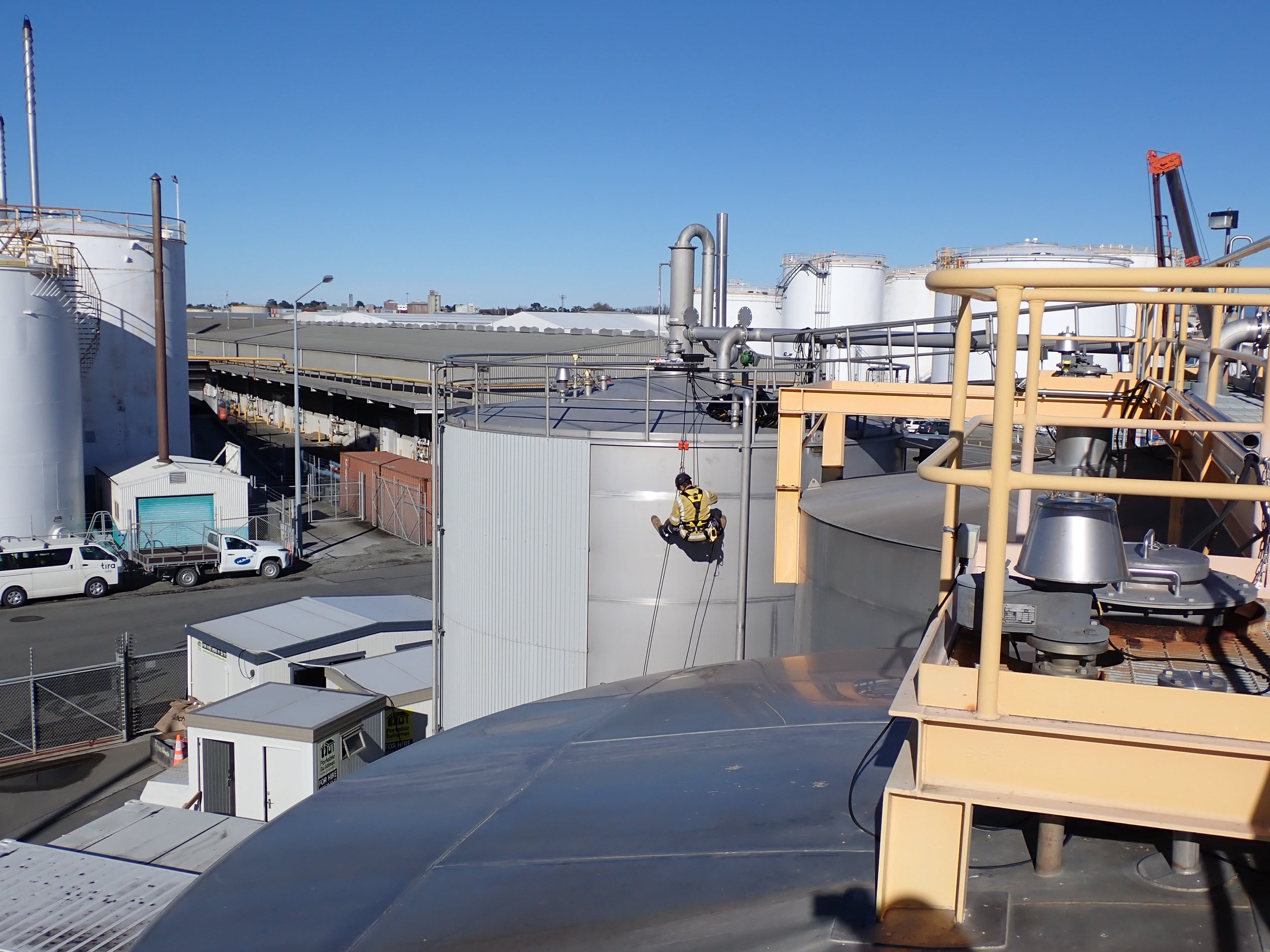
Risk Prioritised Inspections
The goal of RBI is to focus resources on areas of greatest risk to enhance safety, minimise downtime and reduce inspection costs. We specialise in RBI inspections in the oil and gas, petrochemical, power generation, and other process industries.
The scope of RBI's is often broad, encompassing both critical equipment and less critical components, based on risk analysis, optimising inspection schedules and ensuring reliability.
Pressure Vessels
Heat Exchangers
Pipelines and Piping Systems
Storage Tanks
Furnaces, Boilers and Reactors
Rotating Equipment like Pumps and Compressors
Structural Components
-
Probability of Failure (PoF): Determining the likelihood of failure based on factors like equipment age, operating conditions and historical performance.
Consequence of Failure (CoF): Evaluating the potential impact of failure, which could include financial losses, safety hazards and environmental damage.
-
RBI involves creating an inspection strategy that aligns with the risk levels of various assets. High-risk equipment gets more frequent and detailed inspections, while low-risk assets may need less frequent checks.
This can include defining the types of inspections (e.g. visual, ultrasonic, radiographic) and scheduling intervals for each asset.
-
Non-Destructive Testing (NDT): Techniques like ultrasonic testing (UT), magnetic particle testing (MPT), radiographic testing (RT), and others are used to assess the condition of equipment without causing damage.
Visual Inspection: General examination of equipment for any signs of deterioration such as corrosion, cracks or mechanical wear.
Corrosion Monitoring: Identifying the rate and pattern of corrosion using various methods such as corrosion coupons, probes and ultrasonic thickness measurements.
-
We gather detailed inspection data, including historical maintenance and failure records, material degradation rates and operating conditions. We then use our advanced software tools to use the data to perform real-time risk analysis.
-
Based on RBI findings, we assist companies in implementing risk mitigation actions such as repairs, replacements or changes in operational parameters. This may also involve altering inspection intervals or enhancing safety protocols to lower overall ris
-
Our RBI programmes are designed to ensure that inspection strategies comply with local and international safety and operational standards, such as API 580/581 and ASME.
-
We offer consulting services to develop custom RBI programmes tailored to your facility's specific needs, ensuring an effective approach to managing risks and maintaining compliance.
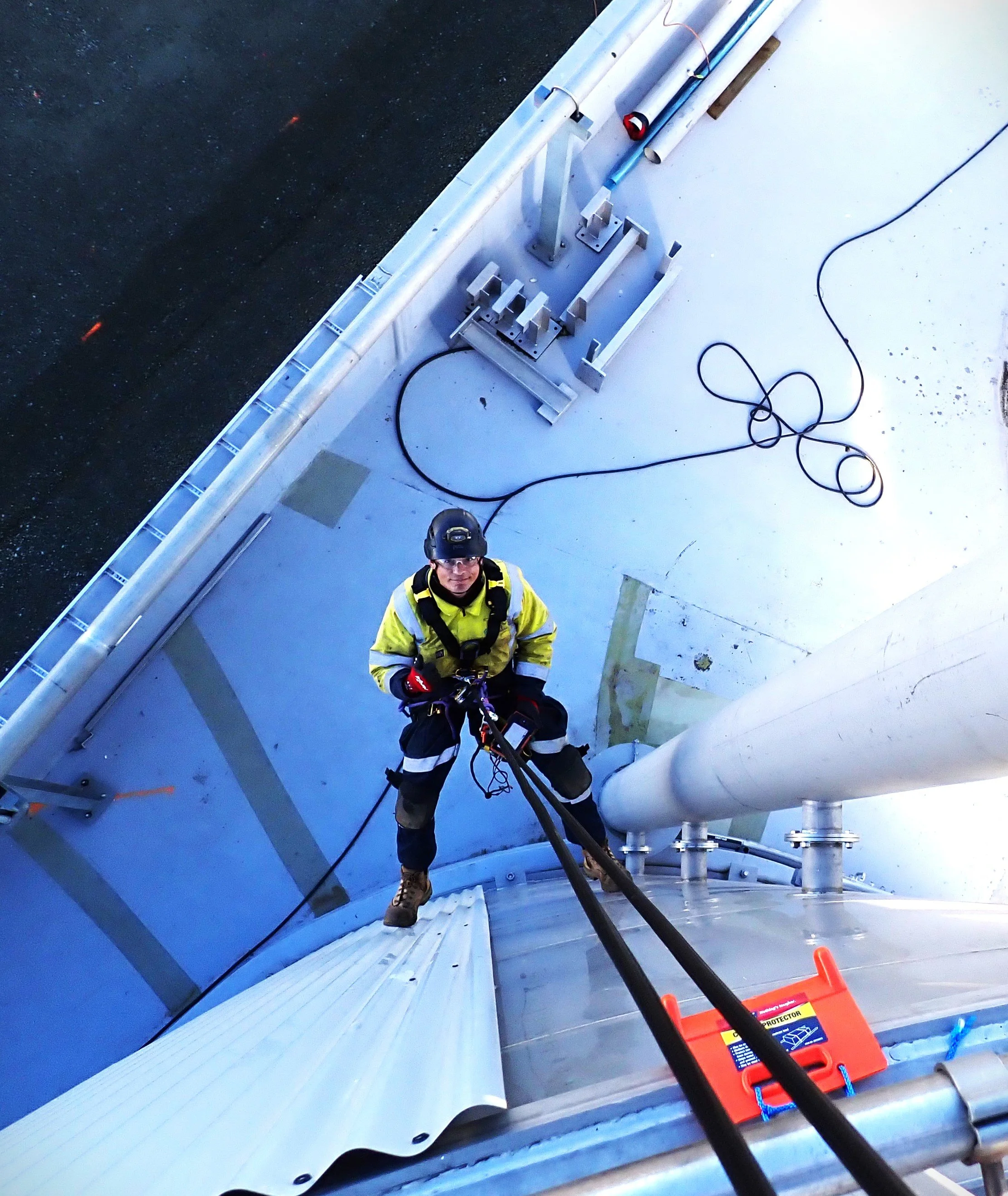
From routine inspections to comprehensive integrity assessments and long-term asset management strategies, 3PI provides the technical expertise and inspection intelligence needed to support the safe, reliable and efficient operation of bulk storage tanks throughout their lifecycle.
Why 3PI?
Our Asset Integrity Management approach brings inspection, NDT and engineering expertise together under one integrated service.
Clients benefit from:
API-certified inspection expertise
Multidisciplinary engineering support
Advanced NDT and inspection technologies
Practical integrity and maintenance recommendations
In-service and out-of-service inspection solutions
Risk-based (RBI) and Fitness-for-Service Assessments
Nationwide service across New Zealand with Pacific Islands Capabilities
Know the condition. Understand the risk. Manage the asset with confidence.


With our new customised software tool, you gain real-time access to your reports and inspection schedules.
Allowing you more proactive decision making and maintenance planning of your assets.